Diverse Application Scenarios of Aluminum Heatsinks
Aluminum heatsinks are indispensable components in the modern world of electronics, playing a crucial role in thermal management. Due to their excellent thermal
conductivity, lightweight nature, and cost-effectiveness, aluminum heatsinks have become the go-to solution across various industries, from consumer electronics
to high-performance industrial equipment. In this article, we will explore the key application scenarios where aluminum heatsinks are used, shedding light on their
importance in ensuring device reliability and longevity.
1. Consumer Electronics: Managing Heat in Compact Designs
In today's tech-driven world, consumer electronics such as smartphones, tablets, laptops, and gaming consoles are becoming increasingly powerful yet compact.
This leads to higher heat generation in smaller spaces. Aluminum heatsinks, thanks to their high thermal conductivity, effectively dissipate heat from processors,
graphic chips, and batteries, ensuring optimal performance.
Example: The heatsink in a laptop’s CPU cools down the processor, preventing overheating during high-performance tasks like gaming or video editing.
2. Automotive Industry: Thermal Solutions in Electric Vehicles
As electric vehicles (EVs) continue to gain traction worldwide, the need for efficient heat dissipation in EV components has become critical. Aluminum heatsinks are
essential in cooling EV batteries, power inverters, and electric motors, enabling consistent and reliable performance.
Example: In EVs, the aluminum heatsink helps to maintain the battery's temperature, extending its lifespan and improving vehicle safety.
3. LED Lighting: Extending the Lifespan of Energy-Efficient Lights
Aluminum heatsinks are extensively used in LED lighting systems, where excess heat can reduce the lifespan of LEDs. By dissipating heat away from the LED chips,
aluminum heatsinks ensure that these energy-efficient lights maintain their brightness and last longer.
Example: The finned aluminum heatsink in an LED streetlight allows continuous cooling, reducing energy waste and maintenance costs.
4. Telecommunications: Cooling High-Density Network Equipment
Telecommunication networks rely on high-density hardware, such as routers, switches, and servers, that generate considerable heat during operation. Aluminum
heatsinks are used to cool these devices, preventing heat buildup, which could lead to system failure or downtime.
Example: Data centers use aluminum heatsinks to keep network equipment at optimal temperatures, ensuring reliable data transmission and minimizing service
interruptions.
5. Industrial Power Supplies and Inverters: Ensuring Stable Operations
In industrial environments, where high-power systems like inverters and power supplies are commonplace, efficient thermal management is key to system stability
and safety. Aluminum heatsinks offer effective cooling solutions for these heavy-duty applications.
Example: Aluminum heatsinks are attached to industrial power inverters to manage heat generated during energy conversion, ensuring smooth operation without
interruptions.
6. Medical Equipment: Supporting Precision and Reliability
Medical devices, such as MRI machines, X-ray equipment, and patient monitoring systems, generate significant amounts of heat. Aluminum heatsinks play a critical
role in cooling these devices, maintaining their precision and preventing overheating that could compromise patient safety.
Example: Aluminum heatsinks used in medical imaging equipment help ensure that the devices provide accurate results without overheating during prolonged use.
Conclusion
Versatile and Efficient Solutions for Modern NeedsAluminum heatsinks have become an essential part of modern technological ecosystems, spanning
industries from electronics to automotive and healthcare. Their ability to effectively manage heat while being lightweight and cost-effective makes them a vital
component in ensuring that devices perform optimally and have a longer lifespan. With ongoing advancements in technology, the importance of aluminum
heatsinks will only continue to grow, driving innovations in thermal management.
By understanding the diverse application scenarios of aluminum heatsinks, manufacturers can better design and implement these thermal solutions, creating more
efficient and reliable products for the future.
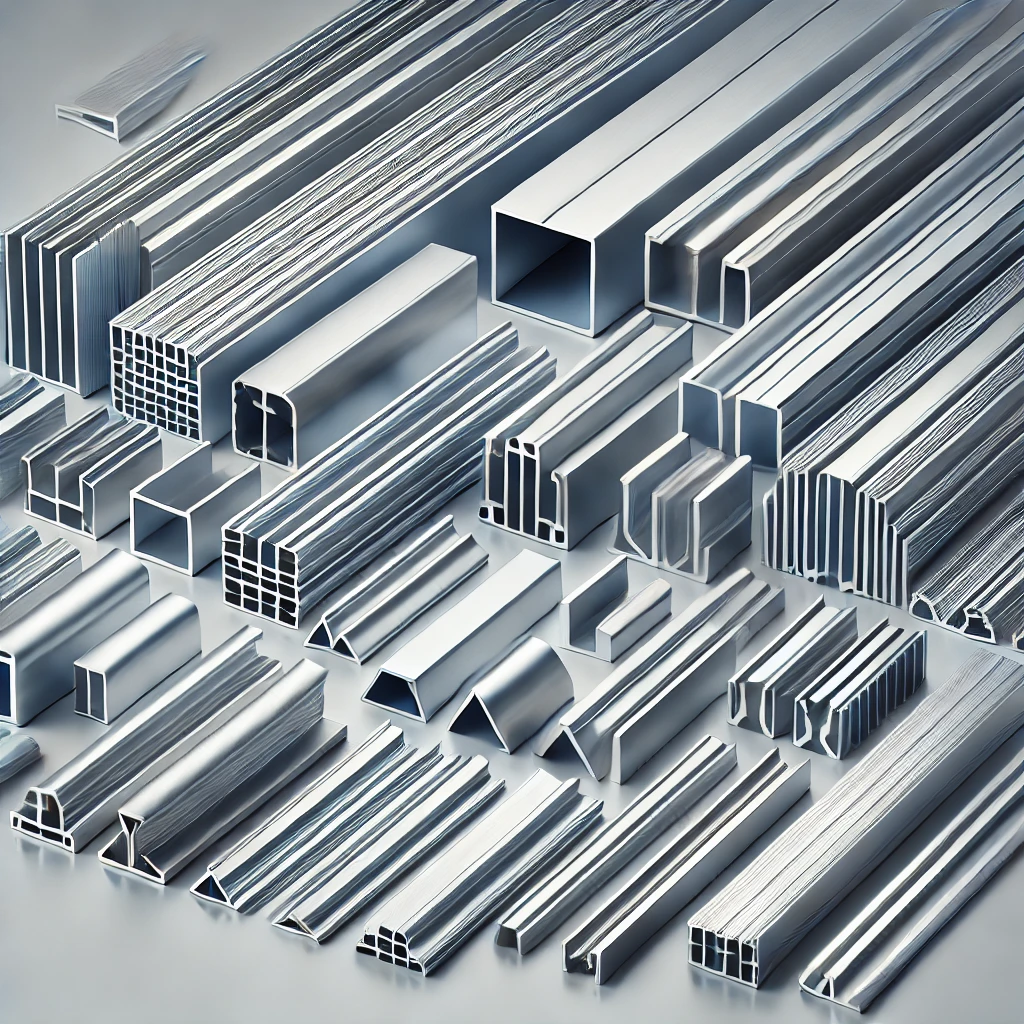 Aluminum profile market supply and demand pattern Analysis of aluminum profile industry output